
- The Significance of Krishna Janmashtami – Why we celebrate, mythological stories, and spiritual meaning.
- Teachings of Lord Krishna from the Bhagavad Gita – Life lessons relevant in today’s world.
- The Birth of Krishna: A Story of Faith & Devotion – Retelling the story of Krishna’s birth.
- Why Do We Fast on Janmashtami? – Symbolism, rituals, and benefits of fasting.
- Celebrating Janmashtami Around India – Different traditions from Mathura, Vrindavan, Gujarat, Maharashtra, and South India.
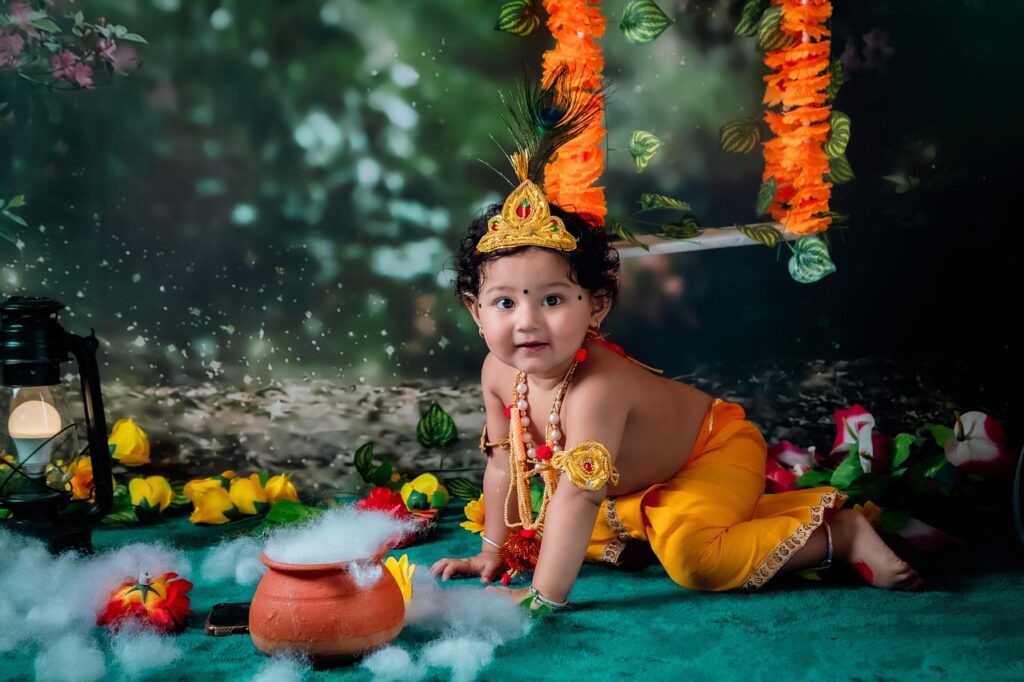
Recepies on the occasion of Krishna Janamathami
🥛 Panchamrit – The Nectar of Purity
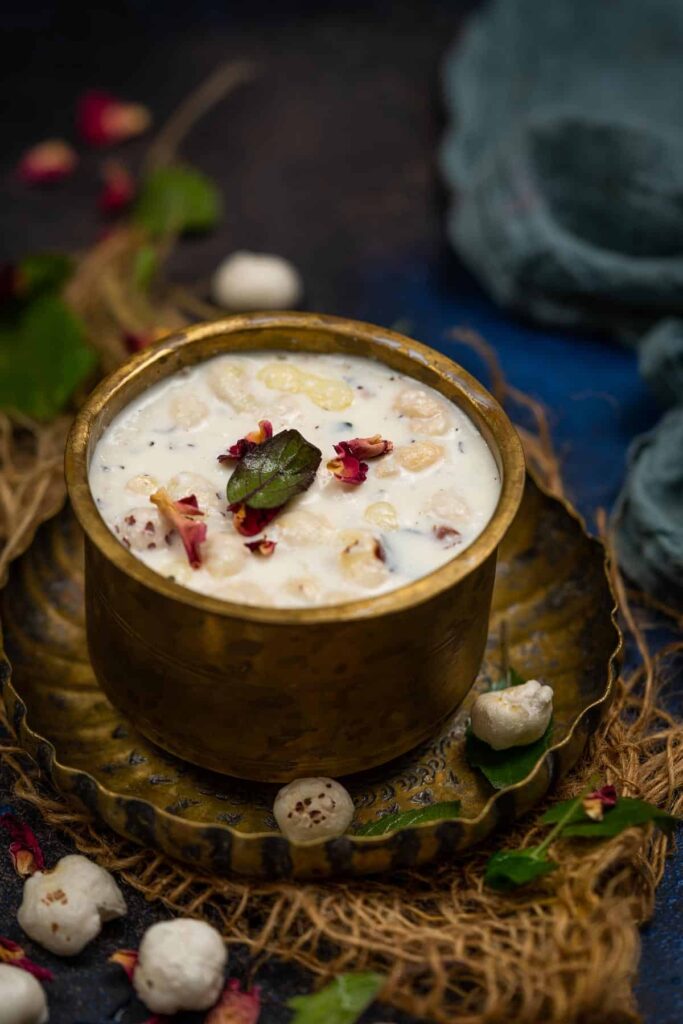
Panchamrit literally means “five nectars” and is used in abhishekam (ceremonial bathing of Krishna idol). Later, it is distributed as prasad.
Ingredients:
- Milk – symbolizes purity
- Curd – symbolizes prosperity
- Honey – symbolizes sweetness
- Sugar – symbolizes happiness
- Ghee – symbolizes strength
Why it’s special?
Panchamrit is considered the nectar of immortality. Offering it to Krishna reflects devotion and receiving it as prasad is believed to bring health, wealth, and divine blessings.
🍯 Makhan Mishri – Krishna’s Favorite
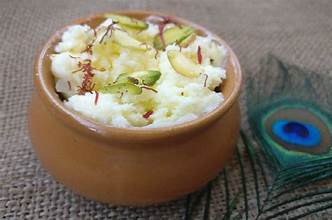
Everyone knows little Krishna’s love for butter! Makhan Mishri (fresh butter mixed with sugar crystals) is the simplest yet most beloved offering.
Ingredients:
- Fresh homemade white butter (makhan)
- Mishri (rock sugar crystals)
Why it’s special?
This prasad reminds us of Krishna’s childhood leelas—stealing butter from homes and sharing it with friends. Offering Makhan Mishri is like offering Krishna his favorite treat, symbolizing love, innocence, and joy.
🌾 Panjiri – The Traditional Energy Food

Panjiri is a wholesome prasad made of roasted whole wheat flour, ghee, dry fruits, and sugar. It is often distributed in temples during Janmashtami.
Ingredients:
- Whole wheat flour
- Pure ghee
- Sugar/powdered mishri
- Almonds, cashews, raisins, dry coconut
Why it’s special?
Panjiri is not just delicious but also highly nutritious. It represents nourishment, protection, and blessings of abundance. Mothers often prepare it for children, just as Yashoda nourished little Krishna.